Peppermint oil benefits

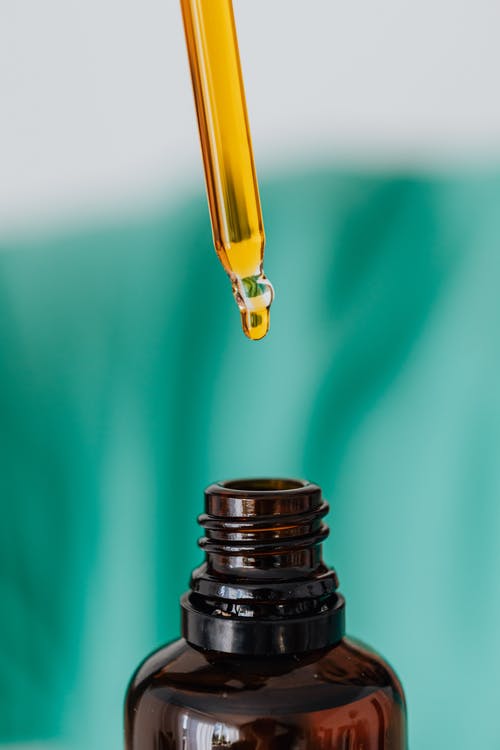
Peppermint oil is one of the most versatile essential oils. It can be used for aromatherapy, it helps to deal with a number of health problems – from muscle pain and seasonal allergic symptoms, to increase energy and relieve digestive complaints. Also, the oil is often used to improve the health of the skin and hair. Studies show that peppermint oil has antimicrobial and antiviral activities, acts as a powerful antioxidant, shows anti-allergenic potential and analgesic effects, and helps to relax the gastrointestinal tract. It is not surprising why peppermint oil is one of the most popular in the world.

The most active ingredients include menthol (50-60%) and menthol (10-30%). The oil has a cool, sharp and fresh aroma. It is one of the oldest European herbal remedies used for medicinal purposes, and other historical records date its use in ancient Japanese and Chinese medicine. An interesting fact is that even in Greek mythology it is also mentioned that the nymph Mentha (Mentha / Minthe) has been turned into a sweet-smelling herb by Pluto, who falls in love with it and wants to keep the memory of it.

Today, peppermint oil is recommended for its anti-nausea and soothing effects on the gastric mucosa and colon. It is also valuable for its cooling effects and helps relieve inflamed muscles when used topically. In addition, peppermint essential oil has antimicrobial properties, so it can be used to fight infections and can even freshen the breath.
More benefits of peppermint oil:

Relieves pain in muscles and joints – Peppermint essential oil is a very effective natural painkiller and muscle relaxant. In addition, it has cooling and invigorating properties. Peppermint oil is especially useful for relieving tension headaches (with a strong feeling of tension in the head). The combination of peppermint and lavender oil is also a great way to help your body relax and reduce muscle pain.

Sinus Care and Other Respiratory Benefits – Inhaling peppermint oil can help unclog your sinuses and relieve an irritated throat. Mint acts as an expectorant, helps open the airways, clears mucus and reduces nasal congestion. The oil is also one of the best essential oils for colds, flu, cough, sinusitis, asthma, bronchitis and other respiratory conditions. Laboratory studies have shown that the compounds found in peppermint oil have antimicrobial, antiviral and antioxidant properties, which means that they can also help fight respiratory infections.

Increases energy levels and helps improve fitness – mint is a great alternative to dangerous energy drinks. It will help you increase your energy levels on long trips, at school or any other time. It can be used to increase physical performance, whether it is regular weekly training or more serious athletic events (To increase your energy levels and improve concentration with peppermint oil, take 1-2 drops in a glass of water or apply 2 -3 drops locally on the temples and in the back of the neck).

Accelerates hair growth and reduces dandruff – Peppermint oil is actually used in many high quality hair care products because it can naturally thicken and nourish damaged hair. It can be used as a natural treatment for thinning hair and helps stimulate the scalp. Plus, menthol is a powerful antiseptic agent, so it can help eliminate germs that can build up in your hair. Menthol is actively used in anti-dandruff shampoos.


Relieves itching – Studies show that the menthol content found in peppermint oil inhibits itching. This is a common skin problem that is associated with an unpleasant constant itching that cannot be soothed. Peppermint oil can successfully relieve skin discomfort.

Insects repellent – Unlike us humans, a number of small creatures hate the smell of peppermint oil, including ants, spiders, cockroaches, mosquitoes and mice.


Important:

The oil it is recommended not to be used by pregnant women and young children. Keep it away from pets. If you have no experience with essential oils and are not sure how to use them, please consult your doctor or pharmacist!
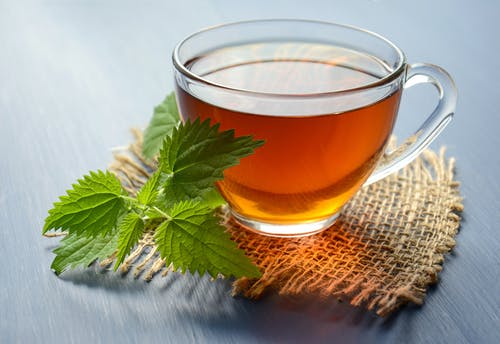
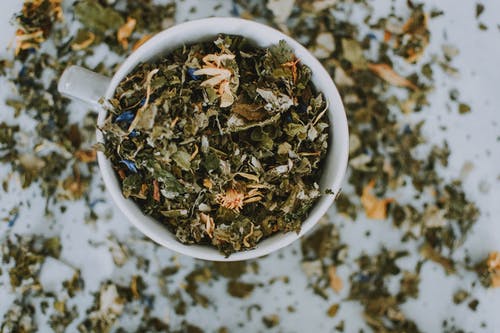
These herbal teas will improve your mood

In a situation of continued isolation, one can easily feel lonely, without mood, even unhappy. The days spent at home and without enough social contacts can affect our psyche.

Fortunately, in this case we can turn to nature to get rid of depression. What are the herbs that will help us improve our mood and tone?

St. John’s Wort

St. John’s wort is a proven natural remedy for depression. However, it should not be combined with other antidepressants.The plant contains hypericin, whence its antidepressant action. If you feel out of mood, make a tea with 1 tablespoon of the herb.

St. John’s wort has a variety of very useful properties. It has anti-inflammatory, antimicrobial, wound-healing and anti-ulcer effects, tones the nervous system.

Lemon balm
The herb is used to treat depression and anxiety. It has a sedative effect and calms. A cup of lemon balm tea will certainly improve your mood.

Valerian herb

The root of the herb has a calming effect. The plant, rich in antioxidants, acts against stress. Valerian tea soothes anxiety and suppresses the symptoms of depression, works well for insomnia.


Camomile

A cup of chamomile tea before bed will prevent insomnia and reduce feelings of anxiety and depression. The drink has a relaxing and calming effect.

Ginger

Although it is most often used as a spice, as well as in flu conditions, ginger can also serve as an anti-depressant. Ginger tea will improve your mood and banish gloomy thoughts.

BEE POLLEN

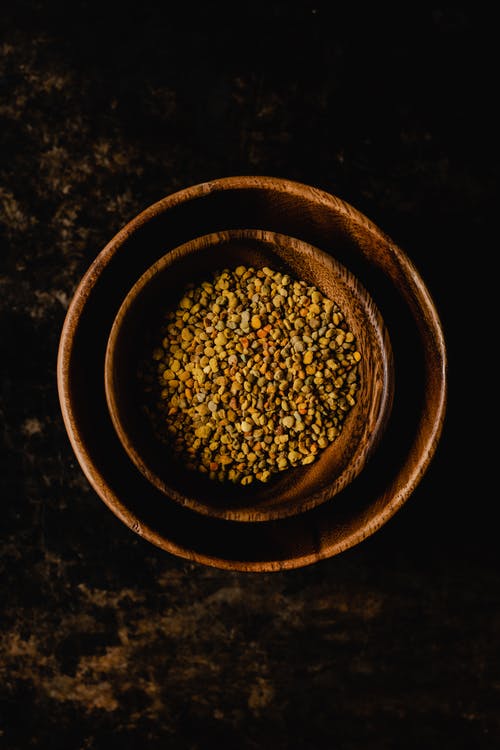
As its name suggests, this product is produced from pollen collected by bees, which then forms granules after mixing with their saliva. It may not sound very appetizing, but it has a sweet and slightly floral taste that you will like.

Very rich in protein, amino acids, vitamins… restores muscles after a workout, providing them with clean energy and important nutrients. This is the purest protein in nature, the protein content of bee pollen exceeds that of beef, eggs or cheese of the same weight. In addition, these proteins are found as free amino acids that the body can easily use, even in the absence of enzymes to break down proteins.

Each granule of bee pollen contains amino acids, vitamins, fatty acids and minerals that are needed for various bodily functions. This makes bee pollen one of the most complete superfoods.

  • Reduces inflammation – bee pollen is rich in flavonoids such as quercetin, known for their anti-inflammatory properties. Studies show that the ability of bee pollen to reduce inflammation is comparable to that of conventional anti-inflammatory drugs.
  • Relieves allergies – one of the traditional ways to use bee pollen is as a natural remedy for allergies. The anti-allergic effects come then. that it can reduce the amount of histamine produced by mast cells in response to allergens.
  • Increases metabolism and energy – due to its high protein content, bee pollen nutrition also improves metabolism, which deteriorates in people with protein deficiency. As a result of improved metabolism, the body will have higher levels of energy that it can use. In addition, bee pollen increases muscle mass by restoring protein that has been lost.
  • Eliminates harmful bacteria – bee pollen contains a naturally occurring antibiotic that is effective against Salmonella and other bacterial strains.
  • Increases fertility – if you have problems conceiving a child, then you can benefit from eating bee pollen. It has been found to enhance fertility by stimulating ovarian function. In addition, bee pollen improves egg survival during the incubation phase so that pregnancy can continue.
  • Improves skin condition – bee pollen has large amounts of antioxidants that can neutralize free radicals caused by the sun’s ultraviolet rays or exposure to environmental toxins. By eating bee pollen regularly, you can prevent the formation of wrinkles and fine lines. Moreover, its powerful antibacterial properties also prevent acne and help heal wounds.

How to eat the bee pollen?

The best recommended way is to simply take the appropriate dose and chew and suck it until it completely melts in our mouth. Thus, we take the optimal doses of pollen content, and it is worth it. We are loaded with monosaccharides, hormone-like components, all amino acids, unsaturated fatty acids – including the important omega-3 and 6; carotenoid, vitamins K, E, D, B, P, C, micro- and macroelements – K, Mg, P, Mn, Fe, Cu, Zn, Cr, I, Co; enzymes and organic acids.

The most delicious and light option for consumption, which is also easy to prepare, includes 1 cup of yogurt, with 1 tablespoon of pollen. Before consuming, leave for about 10-15 minutes for the bee pollen to dissolve. In this form it is great for breakfast – a delicious and nutritious start of the day.


Another option is to mix with honey – 100 g of pollen per 1 kg of honey. It is recommended to grind for faster dissolution. After mixing, leave for about a week, stirring periodically until completely dissolved in the honey. Take 1 teaspoon 3 times daily before meals.

THISTLE HONEY

Honey – a means of strengthening the body

Hippocrates described honey as an excellent means of strengthening the body. According to him, honey has a rejuvenating effect on the body and has a beneficial effect on gastrointestinal and liver diseases. The sugars in honey in combination with phytoncides, minerals, vitamins and organic acids make it much more valuable for the human body energy and acts as healing agent. Many times it is even more useful than drugs and medications.

It is known that lowering the amount of sugar in the blood reduces both the physical and mental performance of a person. In this regard, honey sugars are an excellent basic energy material for the heart, nervous system and muscles. In fact, honey is an indispensable food in a person’s daily menu. And this is mainly due to its remarkable composition: vitamins A, B, C, K, E, organic acids, enzymes invertase, lipase and many chemical elements that are found in the blood in very small quantities.

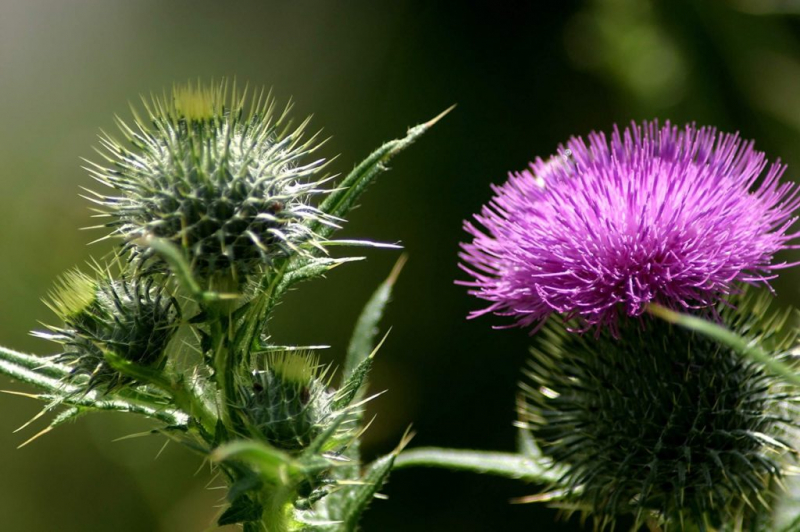
Milk thistle has actually been used for more than 2,000 years. The plant originates from the Mediterranean region. The Greek physician and botanist Dioscorides was the first to describe the healing properties of milk thistle. This specific herb helps remove toxins from the body that can cause a number of symptoms and diseases. As an antioxidant, milk thistle has powerful vitamins E and C, helping to fight free radicals, and slows down the aging process. The plant contains high levels of lipophilic extracts found in its seeds, which act as bioflavonoids – antioxidants that increase immunity and reduce oxidative stress.

Natural thistle honey also known as “male honey” is a very interesting type of honey, which is very rare in its pure form. Milk thistle honey differs in a slight light yellow hue, but sometimes it is possible to meet with this product of beekeeping with a rich and amber color. This is not a mark of low quality honey, but only shows that the bees used nectar of different colors in their production. Thistle supports the functions of the prostate gland. It also has a positive effect on the liver, heart muscle and upper respiratory tract. Crystallizes extremely fine and creamy.

Thistle honey (milk thistle) has a liver-supporting action. It also facilitates the recovery of cells in the bile and is known as a natural aphrodisiac.

Health benefits:

 Liver detoxification

 Against diabetes

 Protects against gallstones and kidney stones

 Improves skin health

 Slows down the aging process

 Prevention of diabetes

 Lowers cholesterol

Two compounds found in thistle – polyacetylene and cnicin – can help the body fight bacterial infections. The herbal compound cnicin has anti-inflammatory properties that help treat infections. However, people with inflammatory bowel problems should not take this herb until they have received the opinion of their personal medical professional.


It is beneficial to consume honey, but in certain quantities: up to 100 g per day. It is best to do this 1 hour before bedtime or 3 hours after meals.

Best teas of Bulgaria

Elderflower tea

The beautiful flowers of elderberry represent a yellow-white bouquet. They bloom in May-June and are harvested before they overripe. Once the color is determined, it is plucked from the stalks to obtain pollen with a combined color that gives a specific floral aroma.

In the form of syrup or hot tea, a decoction of elderflower helps with colds, bronchitis, runny nose, fever, sore throat and tuberculous cough. The herb enhances cell growth, accelerates healing processes, stimulates liver function, has a sedative effect on the nervous system. It has purifying properties.
Such a big health effects for the human body is difficult to be found in one herb.

Preparation: 2 teaspoons are prepared in 500 ml of boiling water for 10 minutes.

Usage: 2-3 cups of hot tea a day.

The herb should be taken after consulting a doctor, especially if you need regular intake, and dosed correctly. It is good to avoid pregnant and breastfeeding women. Read more on: White elderberry – the color has invaluable benefits.

Linden tea

The fragrant herb contains vitamin A, vitamin C, glycosides, aglycones, tannins, saponins, sugars, bitter substances and more. The valuable ingredients, collected in the lime blossom, determine its excellent antimicrobial, diaphoretic, diuretic, analgesic, anti-inflammatory, soothing and tonic effect.

Linden tea has a calming effect, especially before bedtime or with increased excitability, its scent fights depression, reduces stress and nervous tension.

Linden is a very good medicine against colds, helps strengthen the body, relieves sore throat and cough, it facilitates the passage of mucus from the bronchi.

Probably a lesser known fact is that linden is especially rich in selenium and 2 cups of tea a day can cover some of the body’s normal needs. And the unique aroma is due to the essential oil contained in its color.

To prepare a linden tea, just add 2 teaspoons of flowers to a glass of boiling water and infuse for 15-20 minutes.
Pure linden tea has a good effect on inflammation of the upper respiratory tract, as well as on laryngitis and pharyngitis. Anti-inflammatory lowers the temperature slowly, as recommended.

Mursal tea

Mursal tea is one of the medicinal plants in our country, due to the large amount of flavonoids it contains, it has antioxidant, strengthening and antianemic action, lowers blood pressure and reduces the risk of heart attack.

It has long been used to treat diseases of the respiratory system – coughs and bronchitis.

For 1 liter of tea use 3 spikes. Place in a porcelain dish with a lid and pour 250 ml of boiling water. Leave to cool to room temperature.

Ironwort herbal tea  (Sideritis Scardika) also know as mountain tea, shepherd’s tea, pirin tea and mursalian tea  is a genus of flowering plants well known for their medicinal properties. Very popular in the Balkans, the plant is used as a herb either for the preparation of tea (more accurately infusion) or for its aromatic properties in local cuisines. Preparation of tea involves boiling the stems, leaves and flowers in a pot of water and serve with honey and lemon. In Bulgaria that herb grow high in the Rhodope Mountains and Slavyanka (Alibotush) at an altitude of 1400 to 2200 meters.

Rosehip tea

Rosehips have been widely used in folk medicine for centuries. Rosehip tea is rich in vitamin C and minerals that stimulate blood circulation and metabolism. With its daily intake, you will ensure the good tone of your body.

Other useful substances included in the composition of rose hips are carotene, vitamin B2, K1 and P. Sugars, pectin substances and organic acids are found. The seeds also contain a fatty oil rich in vitamin E. They strengthen the capillaries and help for a better process in the cells. The fruits of the plant are applied for a serious illness, increasing the body tone and helps the metabolism. The herb has a beneficial effect in preventing bleeding gums.

The vitamin C in the rose hip is around 300 mg, which is remarkable, given that our daily needs are covered by 100 mg. Also carotene around 6 mg and minerals 3.25%, calculated relative to the weight of the fruit, exceed these amounts in all other fruits: potassium – about 512 mg%, magnesium – 122 mg%, phosphorus 54 mg%, calcium – 50 mg% and sodium – 47 mg%.